
If you have ever sent out a survey and watched the response count barely move, you already know why survey incentives exist.
You are not just asking people for their opinion; you are asking for their time, and time has a price.
The tricky part is not deciding whether to offer an incentive.
It is figuring out what kind, how much, and how to do it without turning your feedback data into a mess.
That is what this guide walks you through.
It has ideas, cost-effective options for small projects. And also, a look at how ProProfs Survey Maker can take the manual work out of running incentivized surveys.
What Is a Survey Incentive?
Survey incentive, defined: A survey incentive is a reward, monetary or non-monetary, offered to a respondent in exchange for completing a survey. It can be cash, a gift card, a discount, a donation, or entry into a prize draw, and its purpose is to increase response rates and thank respondents for their time.
Before you pick an incentive, it helps to get the definition straight, since “incentive” gets used loosely, and that loose usage is often what leads teams to overspend or underdeliver.
Incentives are not just a nice gesture. Research on federal and academic surveys shows that even a small, unconditional incentive changes the math on who responds and how quickly.
Research by Singer, E., & Ye, C. (2013) showed that cash sent with the initial request (prepaid) is substantially more effective than rewards promised after survey completion.
That said, an incentive is not a fix for a broken survey. If your questions are confusing or your survey is too long, no reward amount will compensate for poor data quality.
Incentives work best when layered on top of a survey that already respects respondents’ time.
What Are the Best Survey Incentives You Can Use?
Once you understand what an incentive is, the next question is which one to actually use.
There is no single best survey incentive for every situation, but certain formats consistently perform well for certain goals, and it helps to see them side by side before you commit.
| Incentive Type | Example | Best For |
| Cash or Cash Equivalent | PayPal transfer, prepaid Visa card | Maximizing raw response rate across any audience |
| Digital Gift Card | Amazon, Starbucks, Target e-gift code | Fast, low-cost delivery with no shipping delay |
| Discount or Coupon | 20 percent off next purchase | Customer surveys where you want a repeat visit |
| Sweepstakes or Prize Draw | Enter to win a $100 gift card | Large lists with a capped budget |
| Loyalty Points or Credits | Airline miles, app reward points | Brands that already run a points program |
| Charitable Donation | $1 donated per response to a chosen cause | Audiences who respond better to altruistic appeals than to cash |
| Early Access or Content | Beta feature access, exclusive report | B2B or product feedback surveys with engaged users |
| Milestone or Tiered Reward | Small reward at 50 percent completion, bigger one at finish | Longer surveys where drop-off is a risk |
Here is a closer look at each one, what it actually looks like when you set it up, and why it earns its spot on this list.
Cash or Cash Equivalent Incentives Pay Directly and Perform Reliably
A cash incentive is a direct payment, most often a PayPal transfer, a prepaid Visa card, or a mailed check, given in exchange for a completed survey.
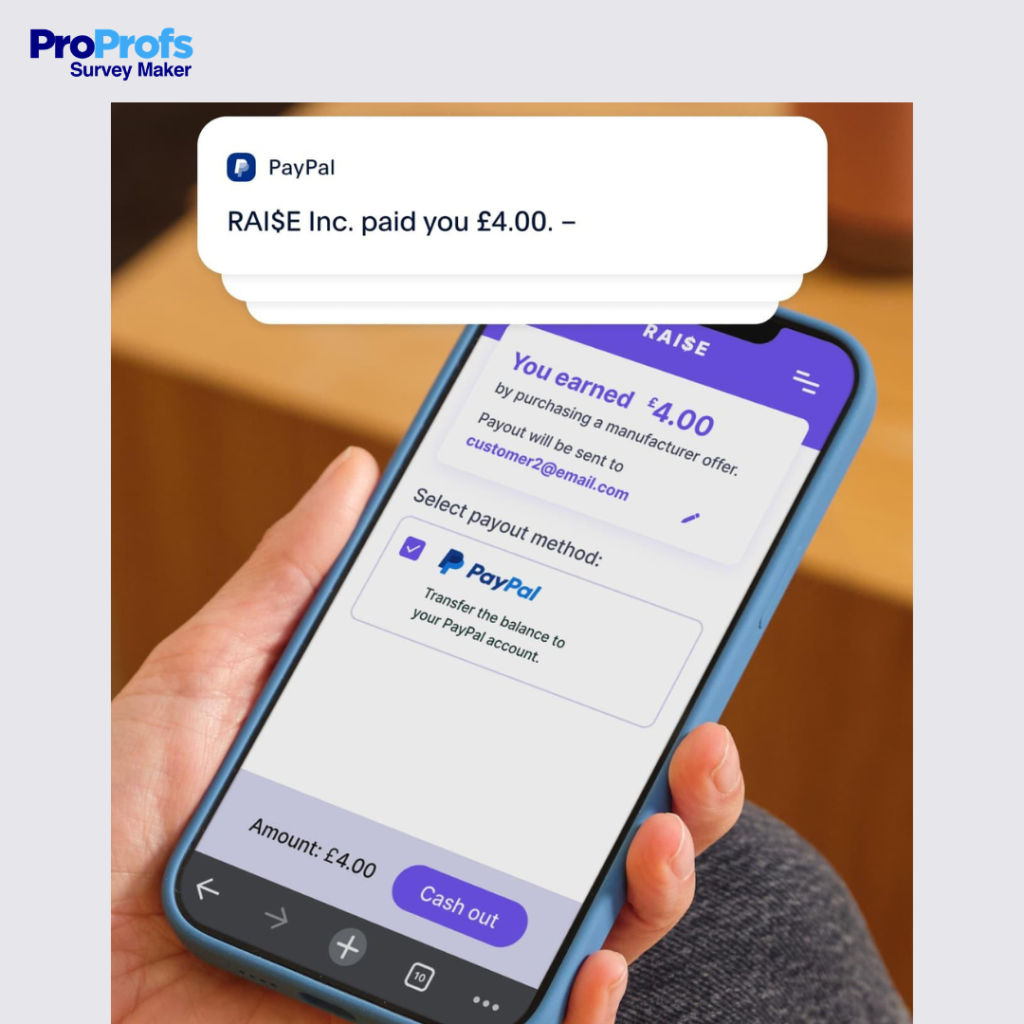
There is no ambiguity about what the respondent is getting, and that clarity is exactly why cash performs consistently well across almost any audience, from general consumers to hard-to-reach professionals.
In practice, this looks like sending a $5 PayPal payment the moment a response comes in, rather than making the respondent wait or chase you for it.
If your list is small enough to track manually, this is the simplest incentive to set up, but it is also the one most likely to become a spreadsheet headache once your response count climbs.
Digital Gift Cards Deliver Value Instantly at Low Cost
A digital gift card is an e-code for a retailer like Amazon, Starbucks, or Target, delivered by email or text right after a survey is completed.
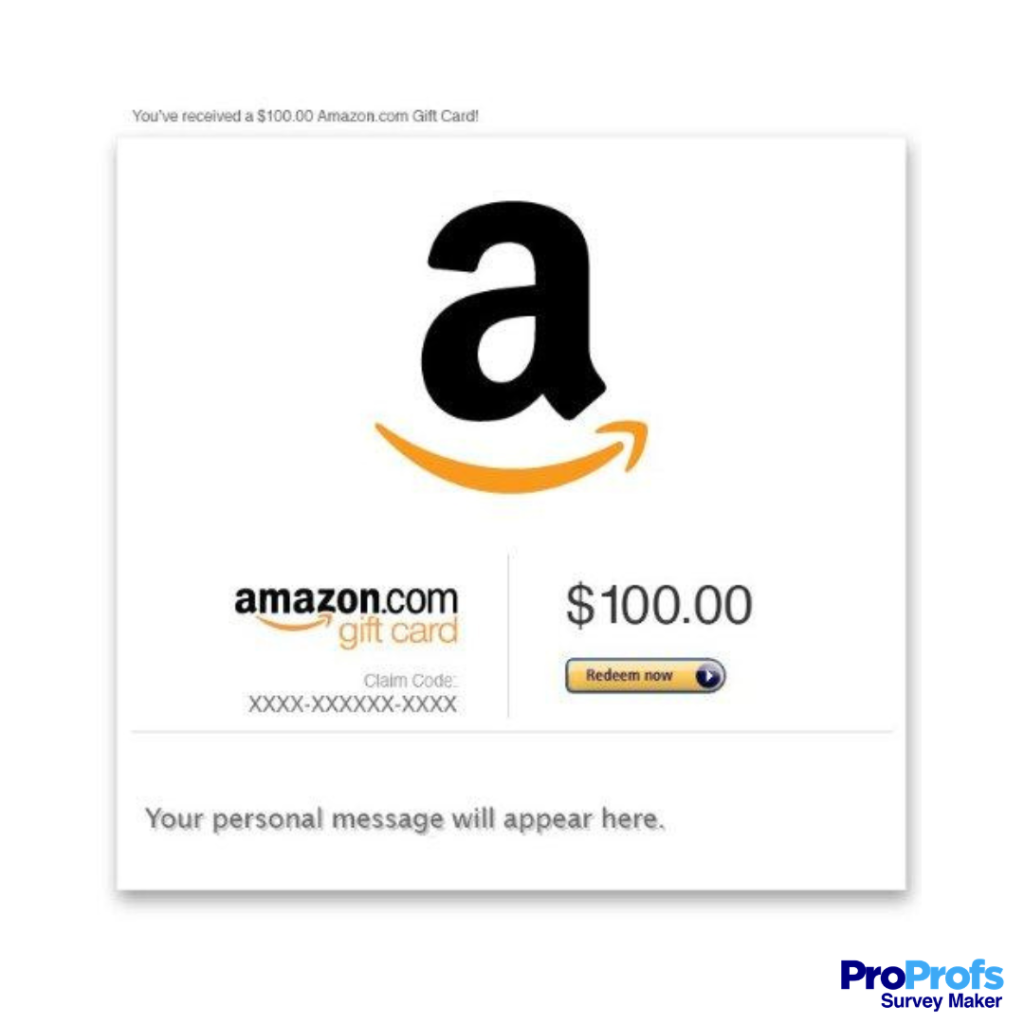
It gives respondents the same flexibility as cash, since they choose how to spend it, without the friction of setting up an actual payment transfer.
The real advantage here is speed. A digital gift card can land in someone’s inbox within seconds of them hitting submit, with none of the delay you get from a mailed check or a manual bank transfer.
For teams running small research projects on tight timelines, this is usually the easiest low-cost incentive to scale.
Discounts and Coupons Turn Feedback Into a Repeat Visit
A discount or coupon incentive offers a percentage off a future purchase, for example, 20 percent off a customer’s next order, in exchange for completing a survey.
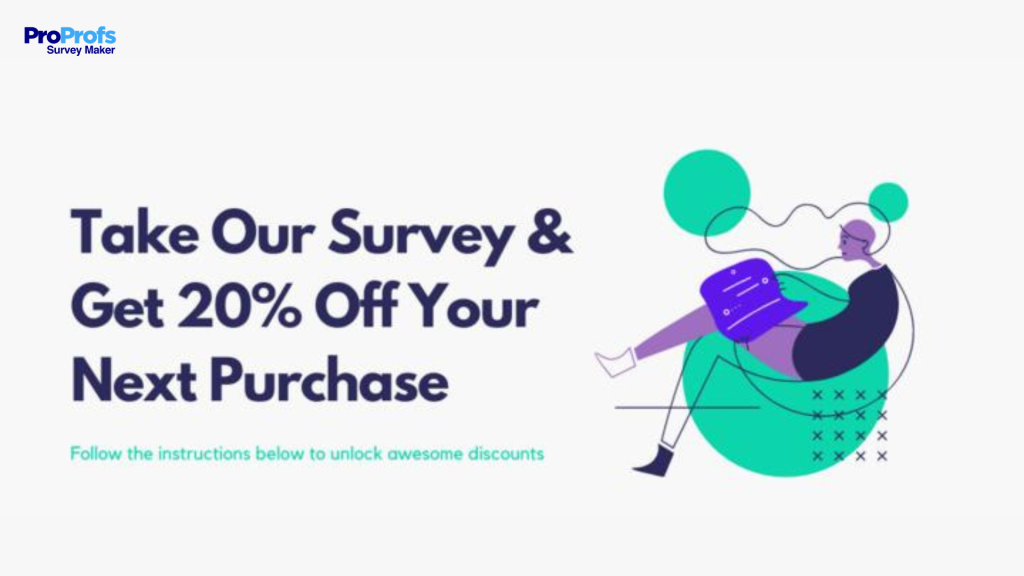
This format only makes sense when your respondent already has a relationship with your business, which makes it the natural fit for post-purchase or customer satisfaction surveys.
Instead of simply paying someone to leave feedback and walk away, a discount gives them a reason to come back and buy again.
That double benefit, feedback plus a repeat visit, is why this incentive type shows up so often in e-commerce and retail survey programs specifically.
Sweepstakes and Prize Draws Keep Costs Fixed for Large Lists
A sweepstakes offers one larger prize, such as a $100 gift card, and lets every respondent who completes the survey enter the drawing rather than paying everyone individually.
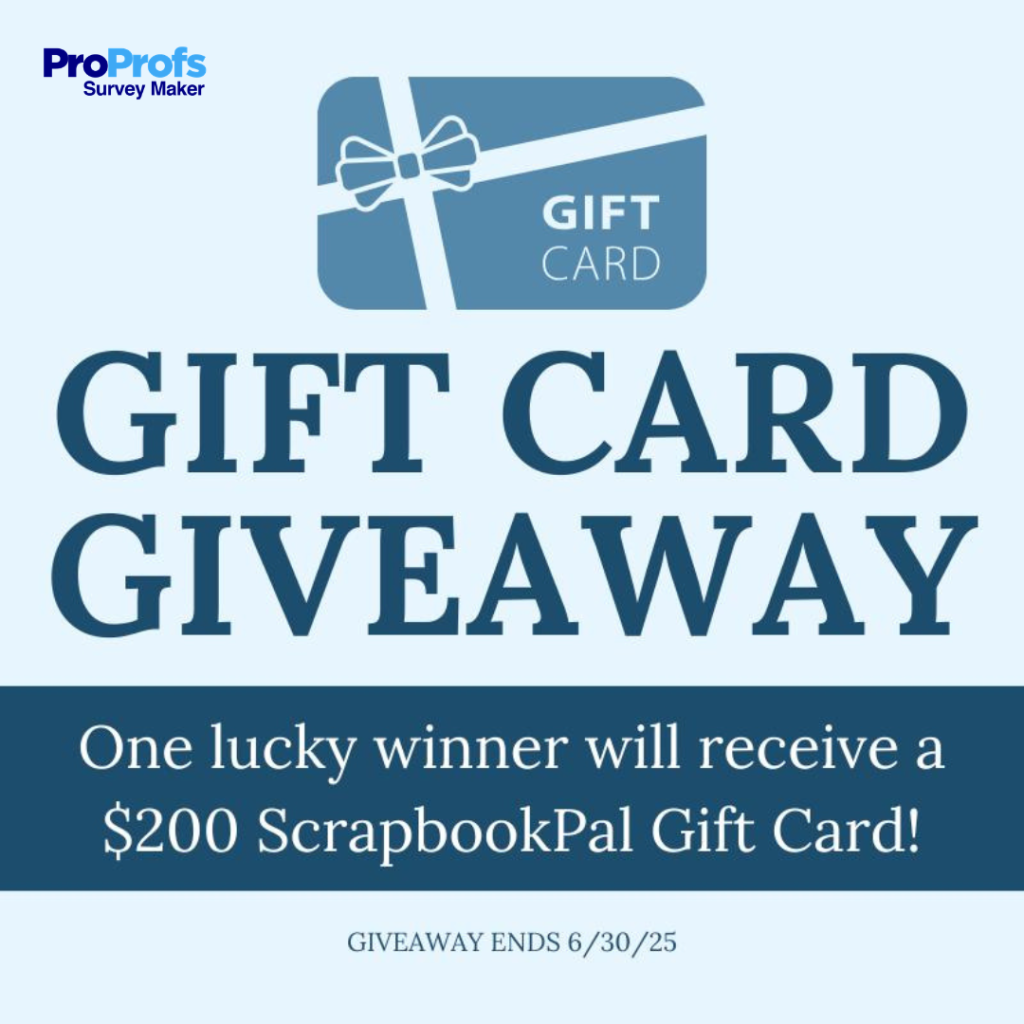
This keeps your total incentive spend fixed, no matter how many people respond, which is precisely why it becomes the most budget-friendly option once your list runs into the hundreds or thousands.
The tradeoff to walk in knowing is that sweepstakes tend to produce a lower response rate than guaranteed rewards, since most entrants will not win anything.
If you go this route, be ready to disclose official rules and odds of winning, since many regions require that disclosure for prize draws.
Loyalty Points or Credits Cost You Almost Nothing Extra
If your brand already runs a points, miles, or credits program, you can reward survey completion with points inside that same system instead of introducing a new reward type.
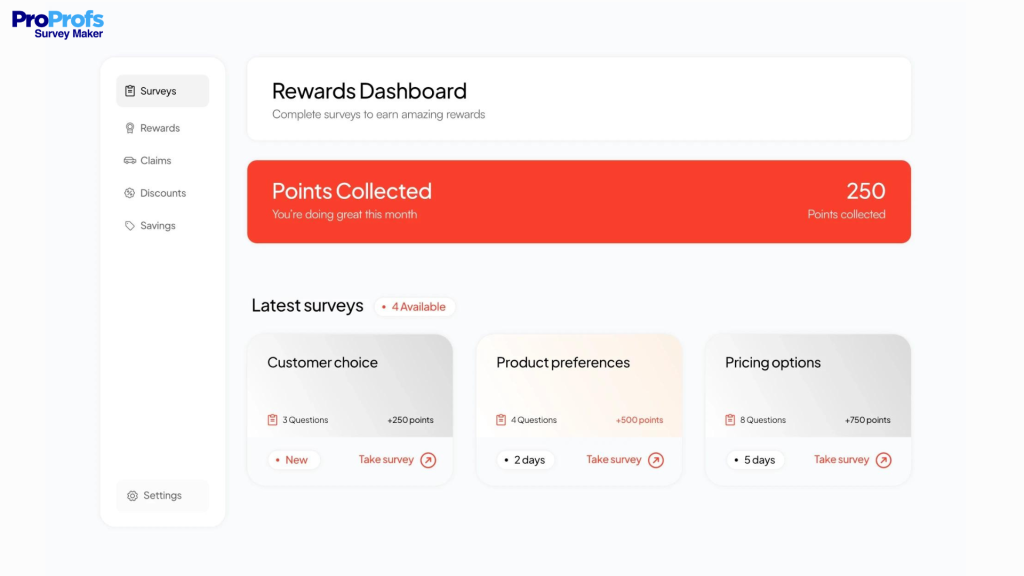
Airlines offering miles and apps offering in-app credit are the most common examples of this in action.
The appeal here is twofold.
It costs you almost nothing incremental to issue, since the program already exists.
And respondents tend to value points from a program they already use, and understand more than an unfamiliar, one-off reward from an outside source.
Charitable Donations Work Best for Internal or Values-Driven Audiences
A charitable donation incentive promises a small amount, often $1 per completed response, donated to a cause on the respondent’s behalf instead of being paid directly to them.
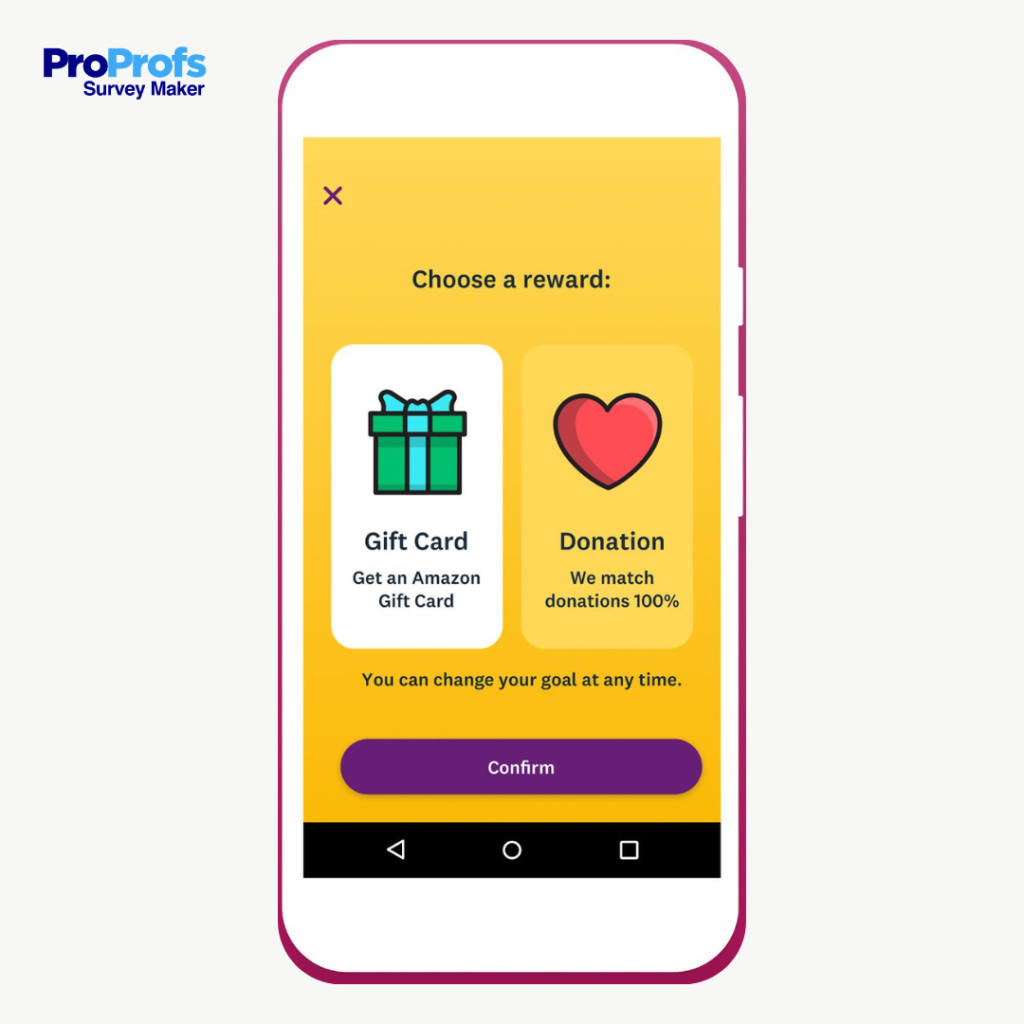
This format tends to outperform cash with specific audiences, particularly employees and socially engaged consumers, who may find being paid for an opinion a little awkward.
This is especially useful for internal surveys.
An HR team running an anonymous engagement survey, for example, can offer a charity donation per response instead of cash, which sidesteps the strange feeling of paying colleagues for their opinions on their own workplace.
Early Access or Exclusive Content Motivates Engaged B2B Users
For engaged B2B users or active product communities, the reward does not need to be monetary at all.
Early access to an upcoming feature, or an exclusive report built from the survey’s own findings, can motivate a respondent who already cares about your roadmap more than a small gift card would.
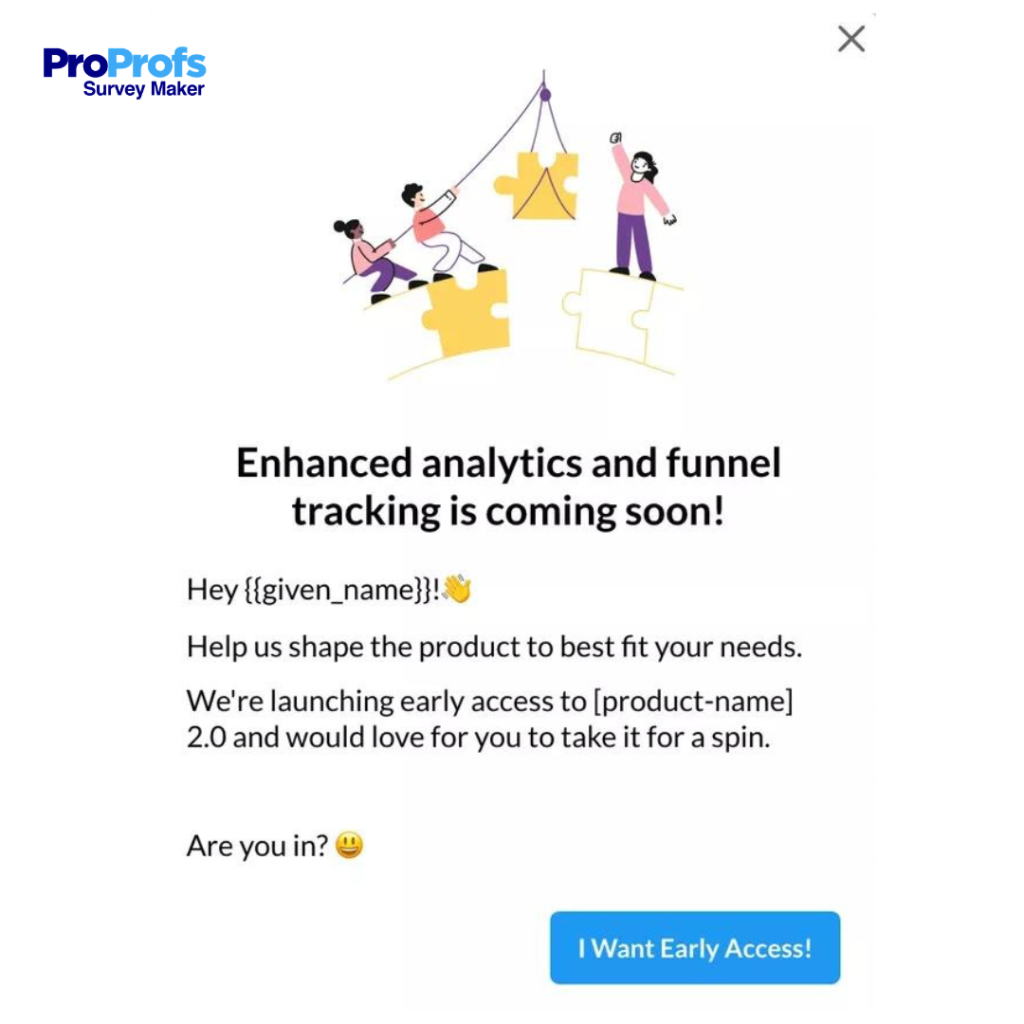
A software company running a 10-question product feedback survey and offering early access to a new feature in return is a common example of this.
It works because the reward is tied directly to something the respondent already wants, rather than being a generic thank-you.
Milestone or Tiered Rewards Reduce Drop-Off on Longer Surveys
A milestone or tiered reward splits the incentive into stages, offering a small guaranteed reward partway through a survey and a larger one at the end, rather than a single flat payout at completion.
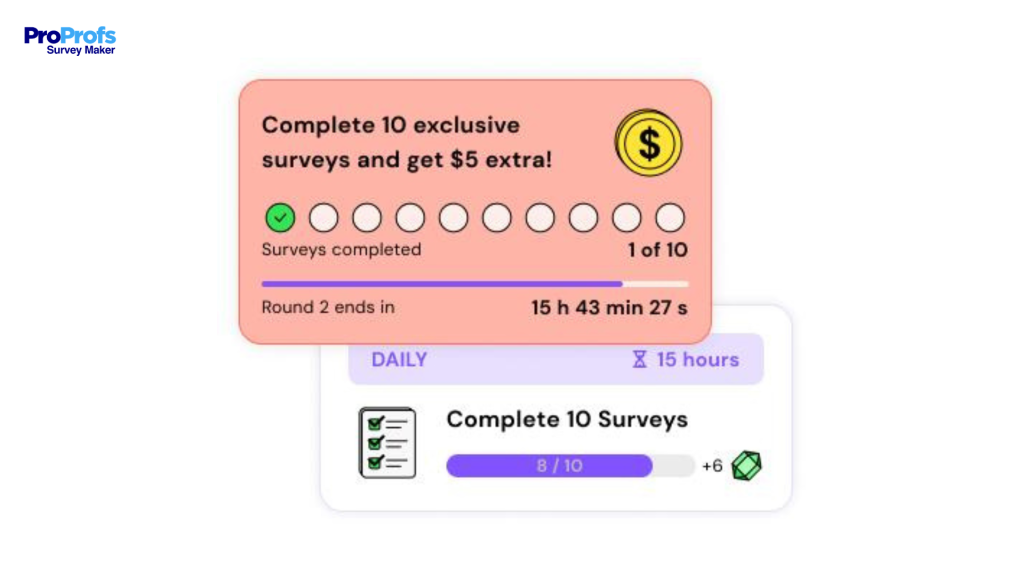
This matters most for longer surveys, where abandonment part-way through is the real risk you are trying to solve for.
For example, a consultant running a 20-minute market research survey might offer a small guaranteed thank-you at the halfway mark, plus entry into a larger prize draw for finishing the whole thing.
The goal is not the total dollar value; it is giving respondents a reason to keep going once they have already started.
How Do You Choose Cost-Effective Survey Incentives for Small Research Projects?
If you are running a small research project, whether that is a 50-person customer panel or a one-off usability study, you do not have the budget of an enterprise research team, and you should not need one.
Here is how to stretch what you have:
Start With Your Budget, Not Your Incentive Idea
Decide the total dollar amount you can spend before you pick a reward type.
If your budget caps at $200, that shapes whether you give 40 people $5 each or run a single $200 sweepstakes for a much larger list.
Favor Digital Over Physical
Digital gift codes and coupons incur no shipping costs, no fulfillment delays, and can be delivered the moment a respondent finishes.
Use a Sweepstakes When Your List Is Large
Instead of paying every respondent, offer one respondent a bigger prize.
This is the most budget-efficient way to incentivize a survey with hundreds or thousands of recipients, since your total spend stays fixed regardless of how many people respond.
Do Not Assume Bigger Always Wins
A 2008 research published in Health Services Research found that a $5 incentive outperformed a $2 incentive in the first mailing, but the gap nearly disappeared after a follow-up reminder, suggesting a small, cheap incentive is often good enough if you’re willing to send one reminder.
If your budget is tight, a small guaranteed incentive plus one well-timed reminder often beats stretching for a larger reward you cannot afford to send to everyone.
Keep the Reward Proportional to the Ask
A two-minute pulse survey and a 30-minute interview should never carry the same incentive. Match the size of the thank-you to the time you are asking for, not to what feels generous.
What Are the Best Practices for Using Survey Incentives?
Picking the right incentive type is only half the job. How you deploy it determines whether it actually improves your data or quietly damages it, so treat these as rules rather than suggestions.
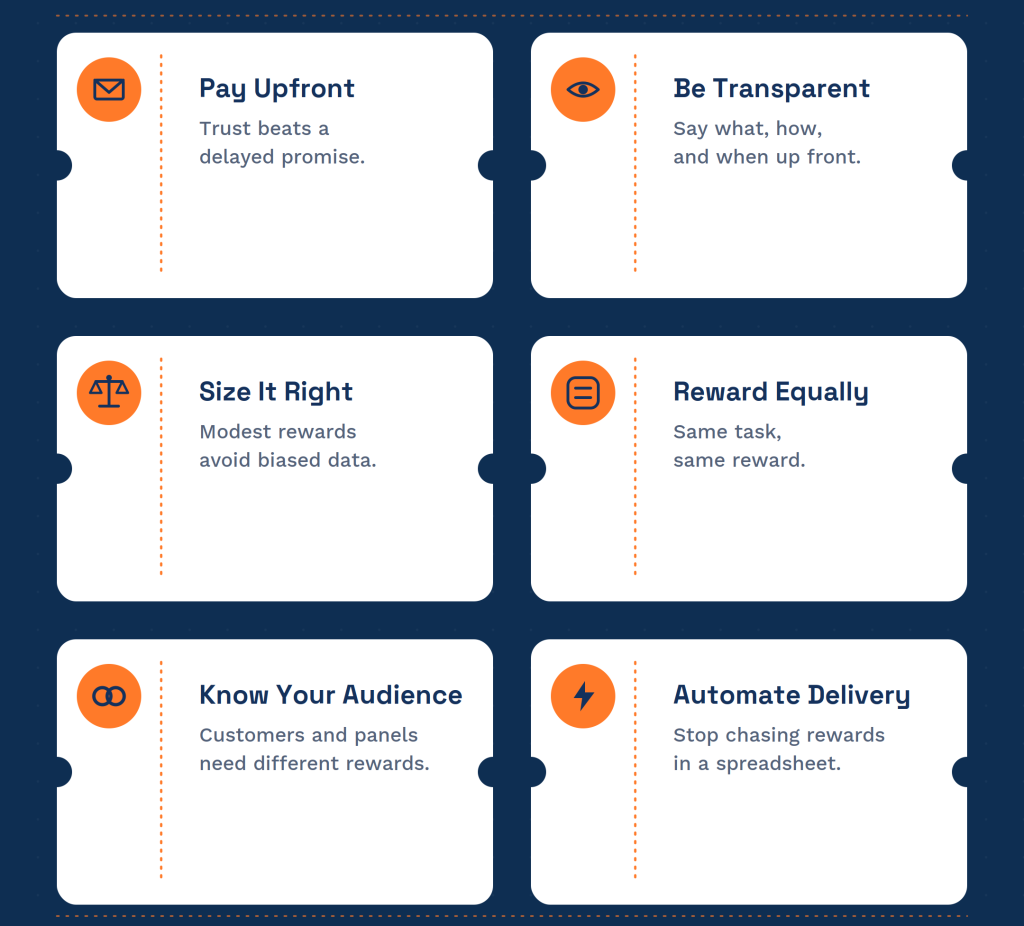
Give the Incentive Upfront Whenever You Can
Including the reward with the invitation itself, before the respondent has done anything, builds trust and triggers a sense of reciprocity that a promised reward does not.
When someone receives something first, they feel a small pull to give something back, and that pull shows up directly in your response rate.
This is backed by more than intuition. A 2020 Harvard research on mailed and digital surveys consistently shows upfront, unconditional incentives outperform “complete the survey, then get paid” promises, sometimes by a wide margin.
A separate 2026 U.S. Department of Veterans Affairs study found that merely promising a $5 incentive lifted response by 30 percent, while actually including the $5 upfront lifted it by 50 percent.
If your process currently pays out only after a survey is submitted, that is the first thing worth changing, even before you touch the incentive amount itself.
The practical challenge is that upfront incentives require you to pay everyone you invite, not just everyone who responds, so this works best when you already have a reasonably qualified list and a defined budget per invitation sent.
What this looks like in practice:
- Including a $5 e-gift code directly in the invitation email, before any questions are asked
- Attaching a small cash card to a mailed survey packet rather than promising payment on return
- Stating the reward in the subject line itself, so the value is visible before the email is even opened
Be Transparent About What the Reward Actually Is
Tell respondents exactly what they are getting, how they will receive it, and when, before they start answering questions.
This sounds obvious, but vague language is one of the most common ways incentive programs quietly underperform.
A line like “you may be entered to win a prize” is technically honest but functionally weak, since it does not tell the respondent anything they can act on.
Compare that to “complete this five-minute survey and receive a $5 Amazon gift card by email within 24 hours,” which removes every bit of ambiguity about the value, the format, and the timeline.
That clarity matters because uncertainty reads as risk to a respondent deciding whether your survey is worth their time.
The clearer you are upfront, the less convincing you need to be in the invitation copy itself.
A transparent incentive line usually answers three things at once:
- What exactly the respondent receives, named specifically rather than described vaguely
- How it will be delivered, whether that is by email, text, or mail
- When they can expect it, ideally an exact timeframe rather than “soon”
Watch for Incentive-Driven Bias in Your Responses
If a reward feels large relative to the effort involved, some respondents will click through as fast as possible just to claim it, which shows up in your data as rushed answers, straight-lined rating scales, or nonsensical open-text responses.
This is the most common way a well-intentioned incentive quietly damages the exact data it was meant to improve.
The fix is not to remove the incentive. It is to size it correctly. Keep the reward modest enough that it functions as a genuine thank-you rather than the main reason someone is responding.
If you notice a spike in fast completion times or low-effort answers after introducing or increasing an incentive, that is a signal to size it back down, not to abandon incentives altogether.
It also helps to build in basic quality checks, such as a minimum time-to-complete threshold or an attention-check question, so you can identify and exclude incentive-motivated junk responses before they skew your results.
A few warning signs worth checking for after launch:
- A cluster of responses completed in far less time than the survey should reasonably take
- A jump in identical or straight-lined answers across rating scale questions
- Open-text responses that are blank, one word, or clearly unrelated to the question asked
Offer the Same Value to Every Respondent
If two people complete the identical survey, they should receive an identical reward, with no exceptions based on who they are or how they were recruited.
Uneven rewards distort your sample, since respondents who know they are getting less, or more, than someone else may behave differently or simply opt out.
This also protects you from a reputational risk.
Respondents talk to each other, especially in smaller communities like an internal employee list or a niche customer panel, and inconsistent rewards get noticed and shared.
What started as a data collection risk can quickly become a trust problem with the very audience you need for your next survey.
If you do want to vary reward size, the fair way to do it is by tier of effort, for example, a bigger reward for a 20-minute survey than a 2-minute one, rather than by who the respondent happens to be.
Fair ways to vary a reward, and one way that is not:
- By the length of the survey, since more time reasonably earns a bigger reward
- By the stage of a milestone structure, where finishing earns more than stopping partway
- Never by who the respondent is, such as offering more to a customer you want to keep happy
Match the Incentive Type to the Relationship, Not Just the Budget
Customer survey incentives and general research incentives are not interchangeable, even when the dollar value is the same, because the relationship behind each one is different.
Customer survey incentives usually work best as something the customer can use with your business again, such as a discount code, loyalty point credit, or early access to a new feature.
This reinforces the existing relationship instead of simply paying for an opinion, and it often costs you less in real terms than a cash payout would.
Pure research incentives, the kind you offer to a general panel with no ongoing brand relationship, tend to perform better as straightforward cash or gift cards.
There is no existing loyalty to build on in that context, so a generic reward that anyone can use, regardless of whether they ever buy from you again, tends to land better than a branded discount they may never redeem.
A quick way to decide which lane you are in:
- Existing customer or employee relationship, use a discount, loyalty points, or early access
- General panel or one-time respondent with no ongoing relationship, use cash or a gift card
- Mixed audience, default to cash or a gift card, since it works reasonably well for both groups
Automate the Delivery Instead of Tracking It by Hand
The single biggest operational drain teams report with incentive programs is the decision to choose the reward.
It is manually tracking who completed the survey, who still needs their reward, and confirming that nothing was sent twice or missed.
This is manageable with 20 respondents, but it becomes a genuine spreadsheet nightmare well before you reach a few hundred.
Automating this step means the reward triggers the moment a response is submitted, with no person in the loop checking a list by hand.
Beyond saving time, this also closes the gap between completion and delivery, which, as covered earlier, is exactly the gap that makes upfront-style incentives more effective in the first place.
If you are still doing this manually today, this is usually the highest-leverage fix available, since it improves both your team’s time and your respondents’ experience without changing the incentive amount at all.
What automating this typically removes from your plate:
- Manually checking a spreadsheet against survey responses to see who still needs a reward
- Sending reward emails or codes one by one instead of on a trigger
- Risking duplicate or missed rewards when a list is updated by hand
FREE. All Features. FOREVER!
Try our Forever FREE account with all premium features!
How Can You Use ProProfs Survey Maker to Manage Survey Incentives?
Knowing the theory behind survey incentives does not help much if you are still stitching together spreadsheets, email drafts, and gift card codes by hand.
Here’s how to take the manual work out of creating survey questions and running an incentivized survey:
Here’s the step-by-step breakdown:
Step 1: Build the Survey Fast With AI Survey Maker
You do not need to start from a blank page or spend hours drafting questions before you can even think about incentives.
Describe your survey goal in plain language, and AI Survey Maker generates a ready-to-send survey in seconds, complete with relevant question types already in place.
For example, you could type: “Create a 5-question customer satisfaction survey for online shoppers, with a note that completing it earns a $5 gift card.”
Try it here:
Let ProProfs AI Build a Survey
Describe your survey and we'll create it for you
This matters more than it seems at first glance, since the time you save on question drafting is time you can put toward the part that actually needs your judgment, deciding on the right incentive type, amount, and timing for this specific audience.
Step 2: Structure Tiered Rewards With Skip Logic and Scored Surveys
If your incentive strategy involves rewarding respondents at different stages rather than one flat payout at the end, you need the survey itself to support that structure.
Skip logic lets you branch the survey by section, so you can identify exactly when a respondent has crossed a milestone worth rewarding. Here’s how it works:
Scored surveys take this further by letting you bucket respondents based on their answers and route them to a custom result page the moment they hit a defined point.
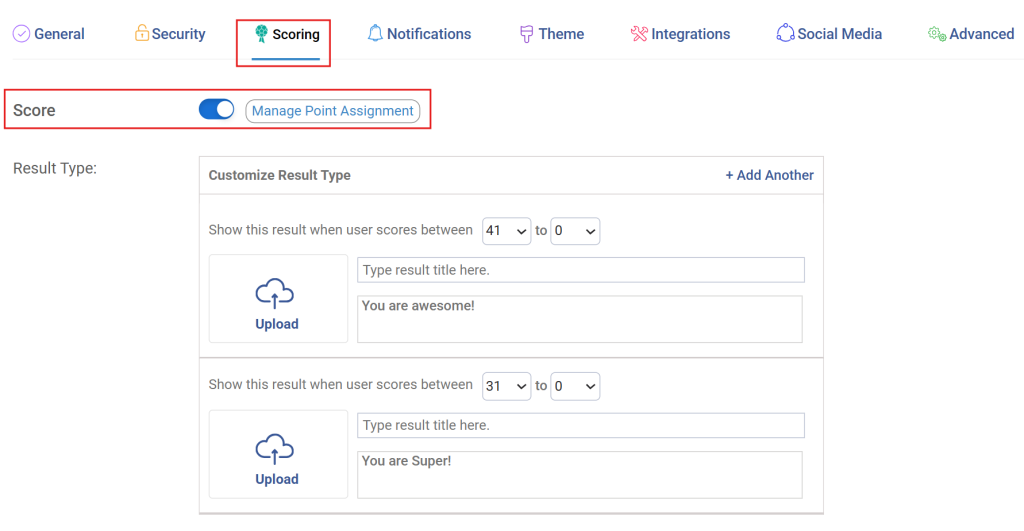
This is precisely the tiered-incentive structure covered earlier, the one that reduces drop-off on longer surveys by giving respondents something partway through, not just at the finish line.
Step 3: Automate the Reward Itself
Connect your survey to Zapier, Mailchimp, or Constant Contact, and you can trigger a reward email the instant a response comes in, with no one manually checking a list to see who is owed what.
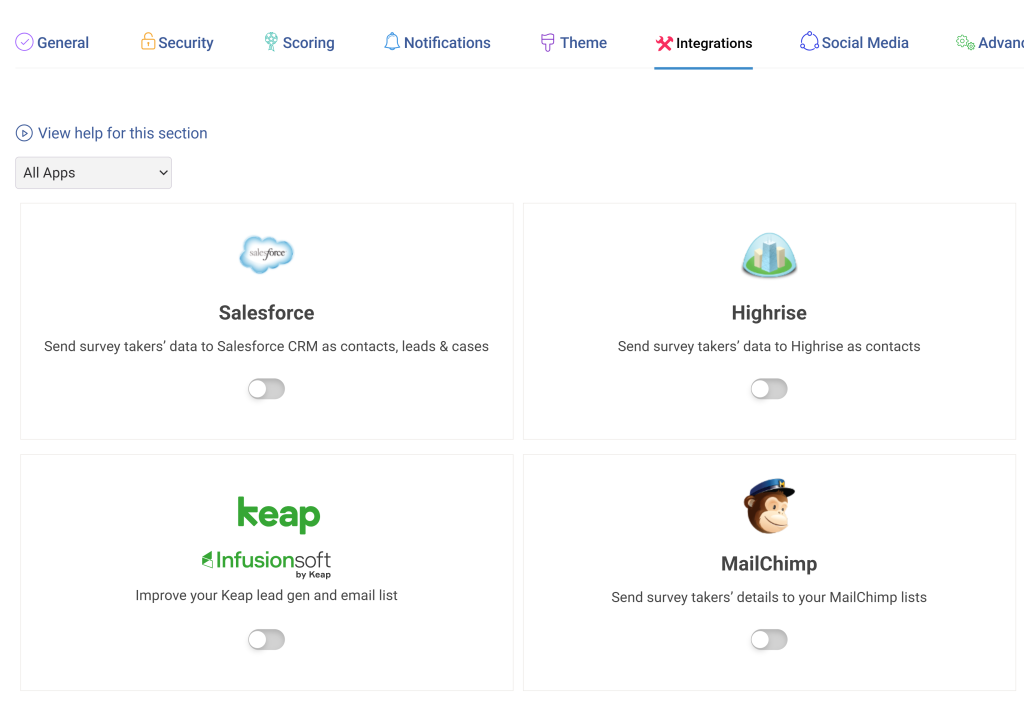
This is the direct fix for the operational drain covered in the best practices section above.
Beyond saving time, this also closes the gap between completion and delivery, which is what makes an incentive feel prompt and trustworthy rather than delayed and easy to forget about.
According to Justin Fredericks at Harvard Innovation Lab, “ProProfs surveys are great for conducting market research.
The instant analytics and reporting gave us detailed insights on our target audience,” exactly the kind of fast turnaround that makes running an incentivized study practical instead of a manual chore.
Step 4: Run Global or Multilingual Panels Without Extra Tools
If your research spans multiple countries, you need the survey and the incentive messaging to stay consistent no matter where a respondent is located.
ProProfs Survey Maker supports surveys in 70+ languages, so you are not stitching together separate tools or manual translations just to reach an international panel.
This keeps your incentive communication as clear in one market as it is in another, which matters given how much clarity affects trust, as covered in the transparency practice above.
Step 5: White Label It if You Are Running Research for Clients
Agencies and consultants managing incentivized studies for multiple clients have a different problem than an in-house team; the survey needs to look like it belongs to the client, not to a third-party tool.
The White Label add-on removes ProProfs branding entirely, so the survey experience matches the client relationship you are actually managing.
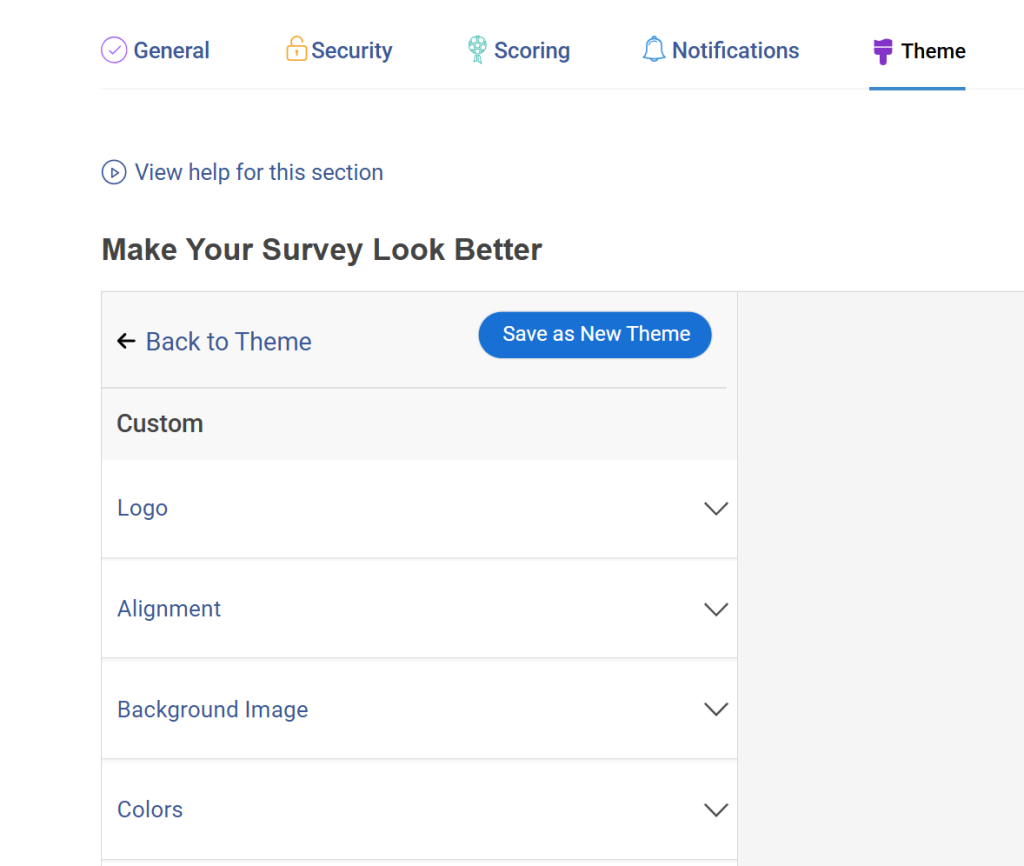
This is worth setting up before you launch a client-facing incentive program.
Retrofitting branding after respondents have already seen your logo is a much harder fix than starting with the client’s branding from the first invitation.
Step 6: Keep It Free for Small Projects
If you are running a small research project, the survey tool itself should not eat into the budget you are trying to save for the actual incentive.
ProProfs Survey Maker’s free plan includes every premium feature at up to 50 responses.
So there is no feature gate pushing you toward a paid tier just to run a properly incentivized survey.
That leaves your entire budget free for the part that actually moves response rates.
Not splitting it between software costs and respondent rewards.
What Mistakes Should You Avoid With Survey Incentives?
Even well-intentioned incentive programs go wrong in predictable ways, so it is worth naming the traps before you launch anything.
| Mistake | Why It Hurts You |
| Overpaying for a Short Survey | A five-question pulse survey does not need the same reward as a 30-minute interview. Oversized rewards for small asks waste budget and can make respondents suspicious of the survey’s real purpose. |
| Promising a Reward You Cannot Deliver on Time | Delayed gift cards or unclear sweepstakes timelines erode trust fast, and that trust does not come back for your next survey. |
| Ignoring Your Audience’s Actual Preferences | A cash incentive that excites a general consumer panel may fall flat with B2B professionals, who often respond better to early access, exclusive content, or a donation option. |
| Treating Incentives as a Fix for a Bad Survey | No reward compensates for a confusing, overly long, or poorly targeted survey. Fix the survey first, then layer the incentive on top. |
Ready to Put the Right Survey Incentive to Work?
The gap between a survey that gets ignored and one that gets answered honestly usually comes down to a handful of decisions covered here, not a bigger budget.
Size the reward to the ask, pay it upfront, be transparent about it, and stop tracking who is owed what in a spreadsheet.
That last part is where most teams actually lose time.
You can pick the perfect incentive type and still burn hours a week manually matching responses to rewards, which is exactly the work a connected survey tool should be doing for you.
Before you launch your next incentivized survey, it helps to have this settled:
- The reward type matched to your audience and relationship, not just your budget
- The amount matched to the time you are asking respondents to give
- A delivery method that does not depend on someone remembering to send it
ProProfs Survey Maker handles the last one directly, building the survey in seconds with AI Survey Maker, structuring tiered rewards with skip logic and scored surveys, and triggering the reward itself the moment a response comes in.
That leaves you free to focus on the one thing that actually needs your judgment: what to offer, and to whom.
Frequently Asked Questions
Do survey incentives actually improve data quality, or just response rates?
Survey incentives are most effective at increasing response rates, but they can influence data quality indirectly. A fair, proportional reward encourages participation without biasing answers. Problems arise when incentives are too large, attracting respondents who rush through surveys only to claim the reward. Pair incentives with quality checks, such as attention filters, to maintain reliable results.
Should I offer the incentive before or after the survey is completed?
Offering an incentive upfront generally produces better participation rates than promising a reward after completion. Research on mailed and digital surveys consistently shows that unconditional incentives create goodwill and encourage responses. However, post-completion rewards may still work for higher-value incentives or when you need to ensure that only fully completed surveys receive benefits.
How much should I spend per respondent for a short survey?
For surveys lasting less than five minutes, a modest reward is usually enough. A gift card, cash equivalent, or loyalty credit worth two to five dollars often balances cost with participation. The amount should reflect the effort required, the audience being surveyed, and the value of the feedback you expect to collect.
Are sweepstakes or prize draws as effective as guaranteed rewards?
Guaranteed rewards usually generate stronger response rates because every participant receives something of value. Sweepstakes and prize draws, however, can be far more affordable when surveying large audiences since only a few prizes are awarded. They work best when budgets are limited and maximizing participation is less important than controlling overall incentive costs.
Do I need to disclose sweepstakes rules to respondents?
Yes. Many countries and regions require sweepstakes to include clear rules covering eligibility, prize details, entry methods, and the odds of winning. Transparency helps build trust and reduces legal risk. Before launching a prize-based survey incentive, review local regulations to ensure your campaign meets all applicable requirements.
Are digital gift cards better than physical rewards for small projects?
In most cases, yes. Digital rewards are inexpensive to distribute, arrive instantly, and eliminate shipping costs or delays. They also simplify administration because rewards can be automated and tracked easily. Physical rewards may still suit special campaigns, but for small research projects, digital gift cards are usually faster, cheaper, and more convenient.
Do customer surveys and internal employee surveys need different incentive types?
Yes, because customers' and employees' motivations differ. Customers often respond well to discounts, loyalty points, or store credits connected to your brand. Employees may prefer charitable donations, team rewards, or modest gift cards, which feel more appropriate in a workplace setting and avoid making participation feel transactional.
Can I automate incentive delivery without hiring extra staff?
Yes. Most survey platforms can integrate with email and automation tools to automatically deliver rewards after a response is submitted. Integrations with services such as Mailchimp, Constant Contact, or Zapier can trigger gift cards, coupons, or thank-you emails instantly, reducing manual work and ensuring participants receive incentives without delays.
FREE. All Features. FOREVER!
Try our Forever FREE account with all premium features!

 We'd love your feedback!
What did you like & how can we make it even better?

 Thanks for your feedback!
 Ask Your Question
Have a question? Get expert help to make your decision easier.